![Global Solar Council [logo]](/static/images/gsc-logo-horizontal.svg)

Building a Safe, Skilled and Scalable Solar Workforce
Solar PV is already the world’s largest renewable energy employer — and its workforce must expand rapidly to meet global climate and energy targets.
From 2030 onwards, the solar sector is expected to add more than one terawatt of new capacity every year. Delivering this safely and efficiently requires a massive scale-up of trained, competent technicians.
The Global Solar Training Standards, developed by Global Solar Council (GSC) in collaboration with Global Wind Organisation (GWO), provide the first unified global training framework for utility-scale solar PV technicians.
They establish internationally recognised learning objectives and quality requirements to ensure safety, consistency and workforce readiness across markets.
As solar deployment accelerates, fragmented training approaches risk slowing down growth and increasing operational risks.
The Global Solar Training Standards address this gap by aligning industry expectations around a common benchmark.

Why Global Training Standards Are Needed
Until now, the solar industry has lacked a unified global training framework. This has resulted in:
- Inconsistent training quality across regions
- Repeated and duplicated training requirements
- Unclear safety expectations
- Reduced workforce mobility between projects and countries
Industry-Led, Globally Recognised
The Global Solar Training Standards are developed by industry, for industry — ensuring they reflect the real operational, safety and technical realities of utility-scale solar PV projects. Through close collaboration between GSC and GWO, solar companies, experts and stakeholders define clear learning objectives grounded in real-world hazards encountered during construction, installation, operations and maintenance.
This collaborative governance model ensures the standards are not theoretical frameworks, but practical tools designed to meet employer expectations and workforce demands at scale. By leveraging GWO’s internationally trusted training architecture, the solar sector benefits from a proven, globally embedded system that supports consistency, quality assurance and cross-border recognition.
The result is a framework that is:
- Built on real job-site risks, not abstract theory
- Directly aligned with employer and project requirements
- Governed through a recognised, quality-assured global model
- Designed for international recognition and workforce mobility
Together, this ensures the standards support both operational excellence and long-term industry credibility.
The framework currently consists of two core standards:
Solar Safety Training Standard (S-ST)
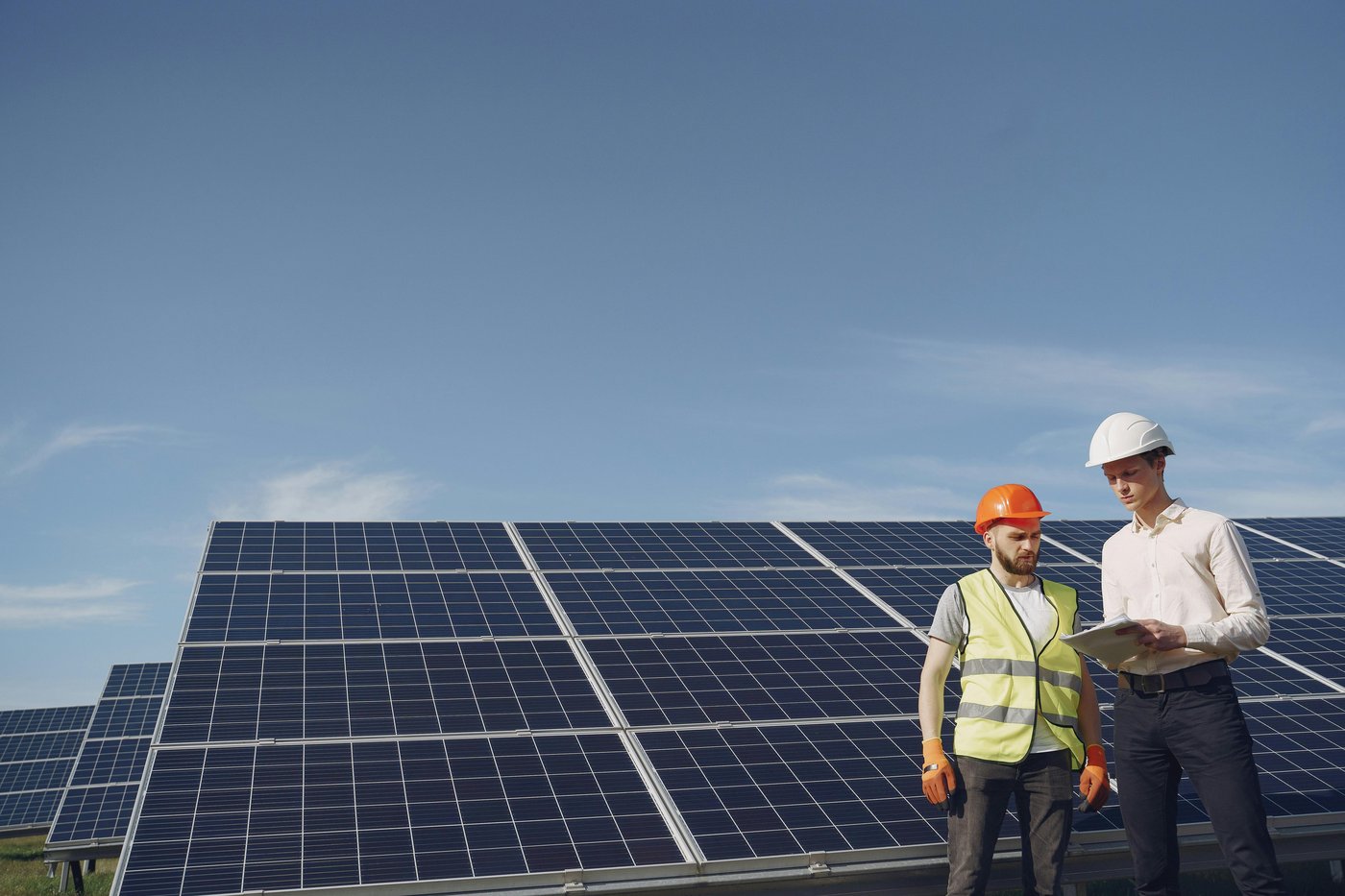
The Solar Safety Training Standard prepares participants to recognise, assess and mitigate hazards in utility-scale solar PV work environments, while equipping them to respond effectively in emergency situations. Designed around real on-site risks, the standard builds practical awareness of safety procedures, hazard identification and incident response protocols specific to solar installations. It includes modules on First Aid Awareness, comprehensive First Aid, and Safe Solar Work practices, ensuring technicians understand site-specific risks and are equipped with life-saving, preventative and risk-mitigation skills. By aligning safety expectations globally, the S-ST supports safer worksites, clearer accountability and stronger operational confidence across projects.
Solar Technical Training Standard (S-TT)
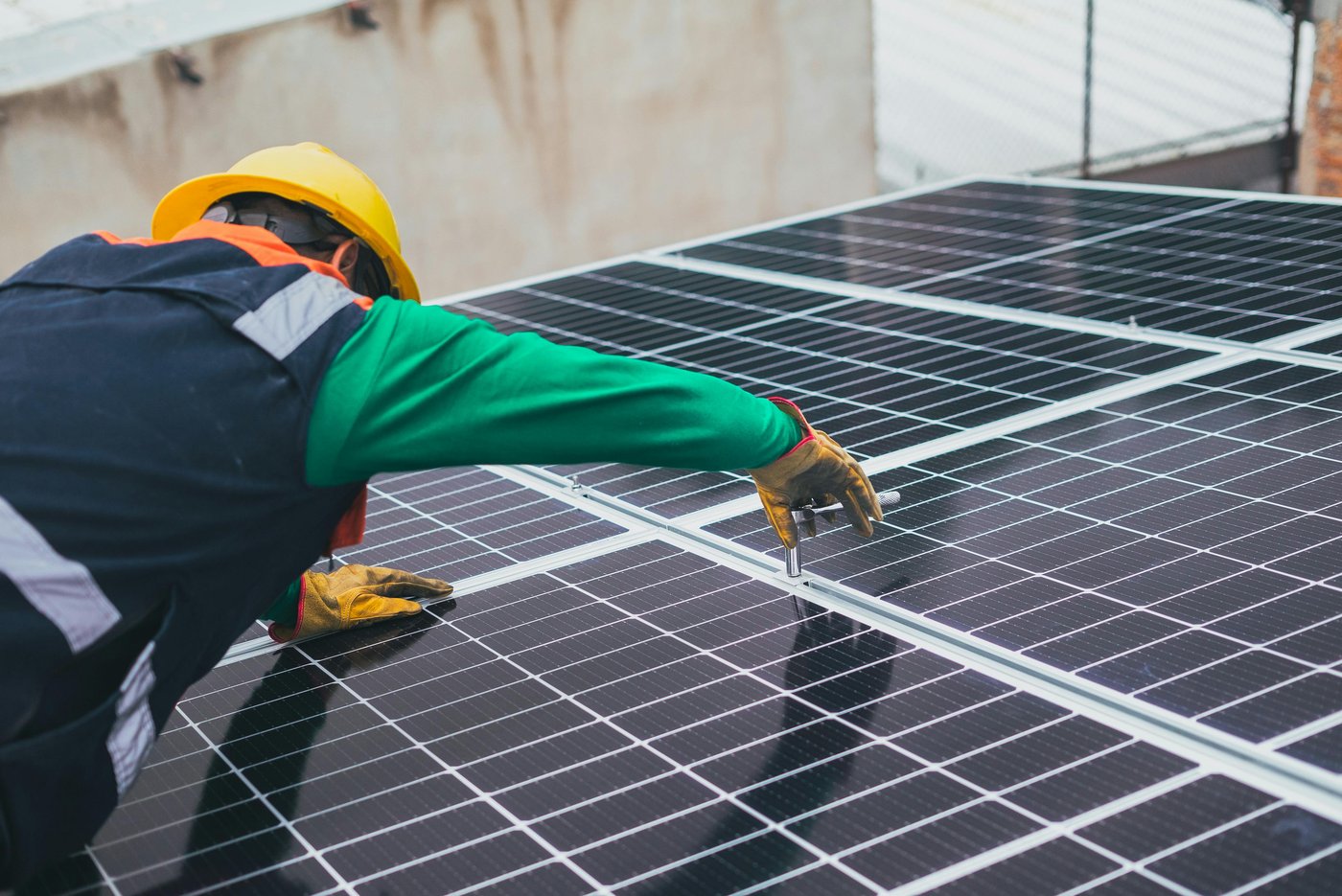
The Solar Technical Training Standard equips technicians with the essential technical competencies required for the installation, commissioning and maintenance of solar PV systems. Developed in collaboration with industry stakeholders, it reflects the mechanical and electrical realities of working on utility-scale solar projects. The standard includes modules covering Installation — including mechanical assembly and on-site installation practices — and Electrical work, focused on safe handling and operation of solar PV components. Together, these modules ensure technicians are competent in both the structural and electrical aspects of solar systems, supporting quality execution, reduced errors and improved performance across the project lifecycle.
How the Standards Work

Industry defines the learning objectives
Solar companies and experts identify core risks and required competencies.

Accredited training providers deliver consistent training
Approved providers deliver courses aligned with defined learning objectives and quality requirements.

Employers recognise certification globally
Training records are verified through a central system, allowing credentials to be recognised across markets and employers.

Reduced duplication and improved efficiency
Standardisation reduces repeated training requirements and enables technicians to deploy to projects faster.
A Stronger Workforce for a Stronger Energy System
The Global Solar Training Standards strengthen the entire solar value chain by creating a shared benchmark for safety, skills and quality across markets. By aligning training expectations globally, they reduce duplication, improve workforce mobility and enable technicians to deploy to projects more efficiently. This consistency enhances on-site safety, supports supply chain confidence and helps accelerate project delivery. As solar capacity scales to meet climate and energy targets, a competent and job-ready workforce is essential to building a resilient, reliable and secure energy system — and the Standards provide the foundation to make that possible.
Get Involved
Adopt the Global Solar Training Standards today.
Employers, EPCs, and asset owners can support the adoption of the Standards by requiring or prioritising training delivered through GWO-certified training providers. This helps ensure technicians are trained to a globally recognised safety and quality framework.
Training providers interested in delivering the Standards can apply to become GWO-certified training providers, following GWO’s established certification process, including audits, quality assurance, and ongoing compliance requirements.
Industry organisations and stakeholders can also support the rollout of the Standards by promoting adoption across projects, supply chains, and markets, helping to build a safer and more skilled global solar workforce.
For inquires about the standard contact [email protected] or [email protected]